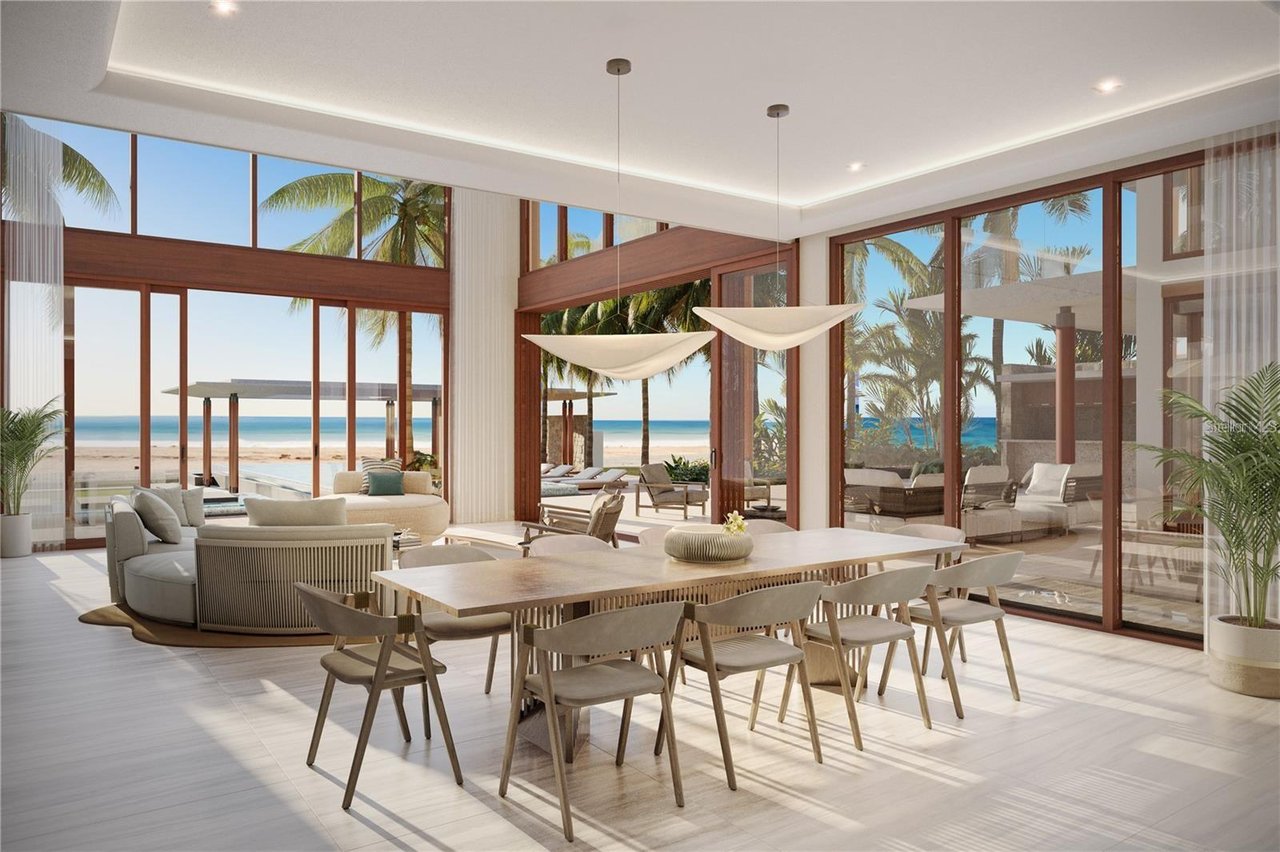
Americans Living in Puerto Rico: What Daily Life Is Really Like
LIVING IN PUERTO RICO Lizvette Robles February 3, 2026
LIVING IN PUERTO RICO Lizvette Robles February 3, 2026
Yes, many Americans live well in Puerto Rico, but daily life works differently than most expect. The adjustment isn’t about language or weather. It’s about systems, pacing, and how everyday decisions actually get done.
For many U.S. residents, Puerto Rico offers: no passport or visa requirements, familiar currency and federal ties, proximity to the mainland and lifestyle-driven appeal.
What attracts people is not just cost, it’s optionality. But optionality only works if expectations are realistic.
Most Americans describe the first months as “familiar, but different.”
U.S. banking access, Federal programs and major brands and services.
Slower administrative timelines, less automation in processes, greater reliance on relationships and a different definition of urgency.
Daily life requires more planning, not more effort.
Many Americans arrive expecting a dramatically lower cost of living. The reality: some categories are cheaper, others are not and housing quality and location matter more than price.
Utilities, insurance, and imported goods often surprise newcomers, especially those used to mainland pricing stability. This is why comparing raw numbers alone leads to false conclusions.
The biggest adjustment is not financial. It’s operational. Common underestimations: how long processes take, how documentation is handled, how service reliability varies by area and how important local guidance becomes.
Those who adapt quickly are not those with more money, but those with better expectations.
Living in Puerto Rico offers: proximity to nature, outdoor-driven routines and less congestion outside major metros.
But trade-offs exist: fewer instant-service options, less predictability and greater importance of local knowledge.
For many, the trade-off is worth it, once understood clearly.
Puerto Rico works best for Americans who: value lifestyle over speed, can tolerate flexibility, plan ahead and understand that “different” is not “worse”.
Those expecting a carbon copy of mainland life often struggle.
Americans who thrive in Puerto Rico don’t arrive chasing savings.
They arrive seeking alignment. When expectations match reality, daily life becomes not just manageable, but rewarding.
Yes, many Americans live well in Puerto Rico, but daily life works differently than most expect. The adjustment isn’t about language or weather. It’s about systems, pacing, and how everyday decisions actually get done.
For many U.S. residents, Puerto Rico offers: no passport or visa requirements, familiar currency and federal ties, proximity to the mainland and lifestyle-driven appeal.
What attracts people is not just cost, it’s optionality. But optionality only works if expectations are realistic.
Most Americans describe the first months as “familiar, but different.”
U.S. banking access, Federal programs and major brands and services.
Slower administrative timelines, less automation in processes, greater reliance on relationships and a different definition of urgency.
Daily life requires more planning, not more effort.
Many Americans arrive expecting a dramatically lower cost of living. The reality: some categories are cheaper, others are not and housing quality and location matter more than price.
Utilities, insurance, and imported goods often surprise newcomers, especially those used to mainland pricing stability. This is why comparing raw numbers alone leads to false conclusions.
The biggest adjustment is not financial. It’s operational. Common underestimations: how long processes take, how documentation is handled, how service reliability varies by area and how important local guidance becomes.
Those who adapt quickly are not those with more money, but those with better expectations.
Living in Puerto Rico offers: proximity to nature, outdoor-driven routines and less congestion outside major metros.
But trade-offs exist: fewer instant-service options, less predictability and greater importance of local knowledge.
For many, the trade-off is worth it, once understood clearly.
Puerto Rico works best for Americans who: value lifestyle over speed, can tolerate flexibility, plan ahead and understand that “different” is not “worse”.
Those expecting a carbon copy of mainland life often struggle.
Americans who thrive in Puerto Rico don’t arrive chasing savings.
They arrive seeking alignment. When expectations match reality, daily life becomes not just manageable, but rewarding.
Yes, many Americans live well in Puerto Rico, but daily life works differently than most expect. The adjustment isn’t about language or weather. It’s about systems, pacing, and how everyday decisions actually get done.
For many U.S. residents, Puerto Rico offers: no passport or visa requirements, familiar currency and federal ties, proximity to the mainland and lifestyle-driven appeal.
What attracts people is not just cost, it’s optionality. But optionality only works if expectations are realistic.
Most Americans describe the first months as “familiar, but different.”
U.S. banking access, Federal programs and major brands and services.
Slower administrative timelines, less automation in processes, greater reliance on relationships and a different definition of urgency.
Daily life requires more planning, not more effort.
Many Americans arrive expecting a dramatically lower cost of living. The reality: some categories are cheaper, others are not and housing quality and location matter more than price.
Utilities, insurance, and imported goods often surprise newcomers, especially those used to mainland pricing stability. This is why comparing raw numbers alone leads to false conclusions.
The biggest adjustment is not financial. It’s operational. Common underestimations: how long processes take, how documentation is handled, how service reliability varies by area and how important local guidance becomes.
Those who adapt quickly are not those with more money, but those with better expectations.
Living in Puerto Rico offers: proximity to nature, outdoor-driven routines and less congestion outside major metros.
But trade-offs exist: fewer instant-service options, less predictability and greater importance of local knowledge.
For many, the trade-off is worth it, once understood clearly.
Puerto Rico works best for Americans who: value lifestyle over speed, can tolerate flexibility, plan ahead and understand that “different” is not “worse”.
Those expecting a carbon copy of mainland life often struggle.
Americans who thrive in Puerto Rico don’t arrive chasing savings.
They arrive seeking alignment. When expectations match reality, daily life becomes not just manageable, but rewarding.
https://investatepr.com/blog/pricing-a-luxury-property-in-puerto-rico-why-testing-the-market-backfires
Stay up to date on the latest real estate trends.
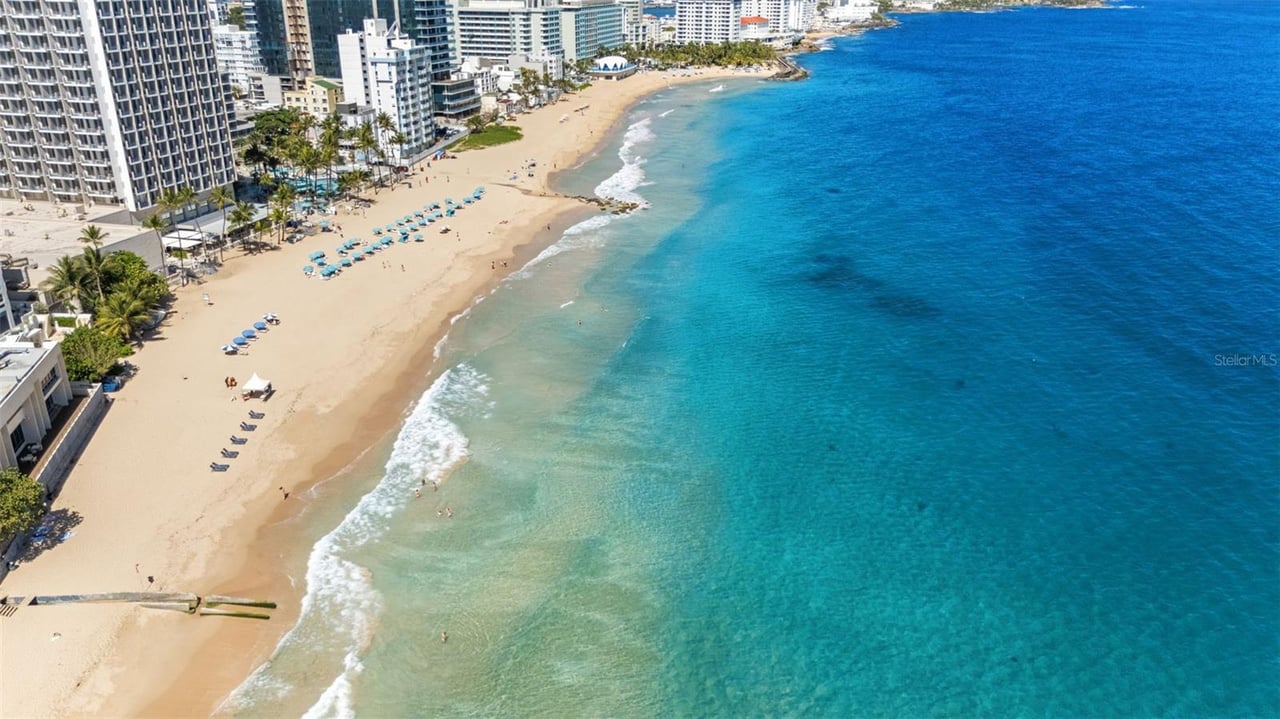
Condado · Relocation · Buyer Guides · Puerto Rico Real Estate
What Buyers Should Know About Walkability, Schools, Healthcare, Condos, Transportation and Choosing the Right Property Before Moving to Condado
Act 13-2026 gives you a deadline to see the building rules. Act 157-2026 moves disputes out of DACO and into the courts.
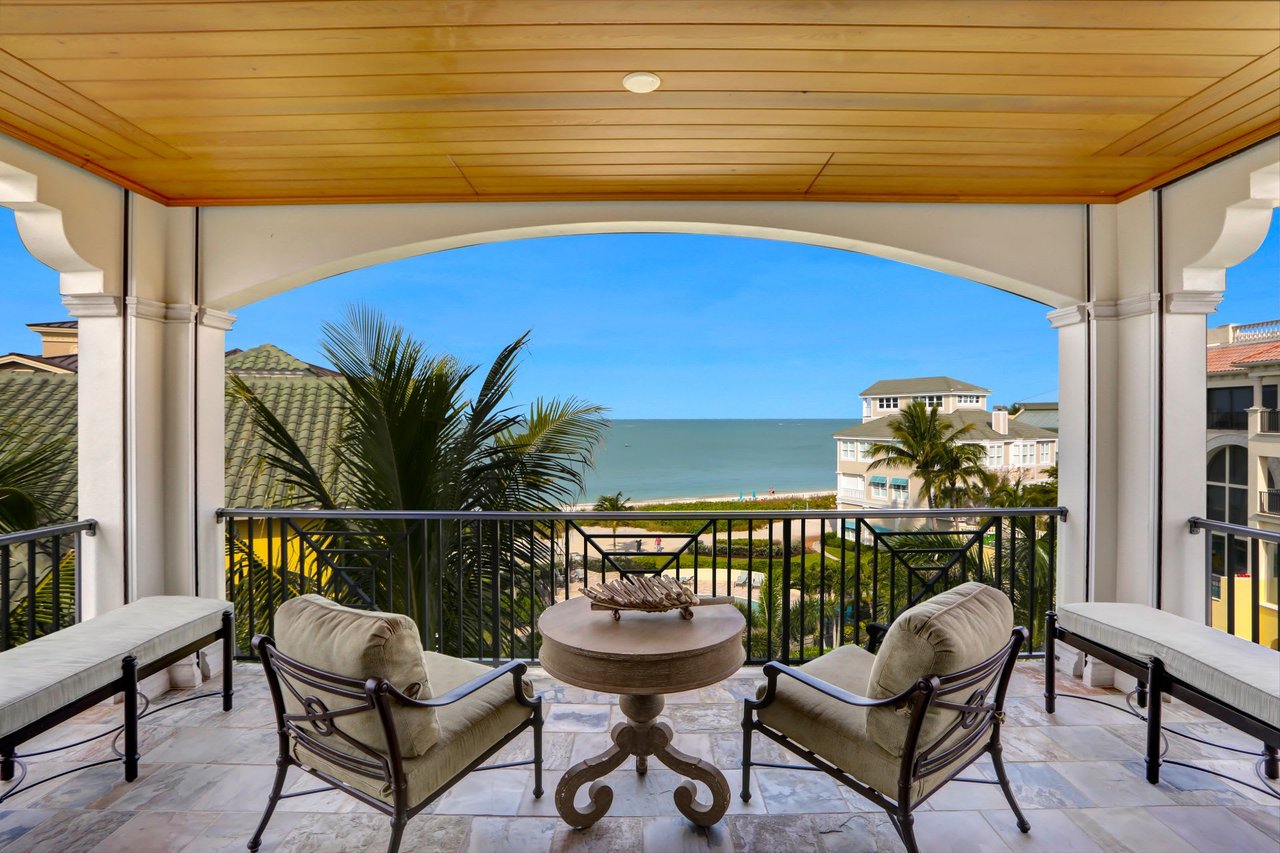
Condado · Buyer Guides · Luxury Real Estate · Puerto Rico Real Estate
How Views, Exposure, Location, Noise, Walkability and Resale Position Differ Across Condado’s Two Waterfronts
Condado · Buyer Guides · Puerto Rico Real Estate · Luxury Real Estate
HOA Fees, Insurance, Property Taxes, Assessments and the Expenses Buyers Should Understand Before Purchasing in Condado

LUXURY COMMUNITIES
44 residences from $1.2M between Garden Hills and San Patricio. What $818 per square foot means if you are buying, and what it changes if you already own in the area.
LUXURY COMMUNITIES
Forty Stellar MLS closed sales across eight communities, from $136 to $3,110 per square foot, what sellers actually accept, and what the maintenance fee adds.
LUXURY COMMUNITIES
Condado and Isla Verde in San Juan, West Beach and Costa Dorada in Dorado, and Bahía Beach, Rio Mar and Coco Beach in Río Grande: closed-sale prices, buildings, fees a… Read more
Condado · Buyer Guides · New Developments · Luxury Real Estate
How to Compare Pricing, Amenities, HOA Costs, Market Evidence and Long-Term Value Before Buying a Condo in Condado
Condado · New Developments · Luxury Real Estate · Buyer Guides
A Buyer’s Guide to 1120 Ashford Avenue, New Construction, Pricing and How The ICON Fits Into Condado’s Changing Luxury Market
We connect discerning buyers and sellers with the island’s most exclusive real estate opportunities. Our expertise and network ensure seamless transactions for both relocation under Act 60 and the sale of distinguished estates. We combine discretion, strategy, and global reach to represent your interests with excellence.