
Why West Coast Founders Are Losing Millions by Not Relocating to Puerto Rico Under Act 60
Act 60 Relocation, Crypto & Blockchain, Investment Strategy Lizvette Robles December 1, 2025
Act 60 Relocation, Crypto & Blockchain, Investment Strategy Lizvette Robles December 1, 2025
For high-income founders and investors based in California, Washington, Oregon, and Nevada, the financial reality is clear: your tax burden is one of the highest in the United States, and it’s directly impacting your long-term wealth. While many explore Texas and Florida as alternatives, only one U.S. jurisdiction offers a legal, IRS-compliant tax incentive powerful enough to dramatically shift your financial horizon: Puerto Rico’s Act 60.
Yet thousands of West Coast entrepreneurs continue absorbing unnecessary tax exposure simply because they don’t understand how the incentive works, or they assume it’s “too complicated.” The truth is the opposite:
Act 60 rewards founders who structure their move strategically, maintain their U.S. business model, and continue servicing the same clients, while reducing their tax burden in ways no mainland state can match.
This article breaks down the real numbers, residency requirements, and strategic benefits that every West Coast high-earner needs to understand now.
California and the West Coast remain global hubs for innovation, but at a cost.
• Up to 14.4% in state income tax
• Highest capital gains tax in the U.S.
• Net investment income tax (NIIT): 3.8%
• Federal tax brackets up to 37%
• $1M income → up to $520K+ in taxes
• SaaS founders losing 8–9 figures over 10–15 years
• Investors seeing long-term capital gains heavily eroded
• Traders absorbing unnecessary tax friction
• 4% corporate tax for eligible Act 60 businesses
• 0% tax on dividends sourced to PR
• 0% on capital gains (after relocation)
• Legal U.S. jurisdiction with IRS compliance For many California founders, the difference is staggering, often millions per year in tax savings, even after relocation costs, compliance, and lifestyle adjustments.
Unlike stateside incentives, Act 60 is a federal relationship between Puerto Rico and the IRS, meaning U.S. citizens benefit without renouncing citizenship or altering their corporate footprint.
Ideal for: saaS; consultants; online service providers; AI/creators with service-based revenue; coaches, agencies, marketing firms; and high-income professionals with U.S. clients.
Ideal for: investors, traders, crypto professionals and real estate investors.
No, you don’t need local Puerto Rican clients.
No, you don’t need to close your California LLC immediately.
No, it’s not “tax evasion”, it's a legal, structured incentive.
No, you don’t need to abandon your U.S. operations.
Act 60 is about proper residency, proper entity structuring, and substance, all of which can be accomplished without disrupting your business.
Revenue: $3M
Net Profit: $1.8M
• Federal up to 37%
• CA state tax up to 14.4%
• NIIT 3.8%
→ Total effective tax: ~48–52%
→ Estimated annual cost: ~$900K, $1M+
• Corporate tax: 4%
• Dividends to resident owner: 0%
→ Total effective tax: ~4%
→ Estimated annual cost: ~$72K Annual savings:
$900K+ At scale, over a decade:
$9–12 million in retained wealth. For many West Coast founders, this is the difference between maintaining a business… and building generational wealth.
Founders relocating from California or the Pacific Northwest consistently highlight the same advantages:
Puerto Rico provides the West Coast lifestyle without the West Coast tax burden, a rare combination.
Act 60 residency isn’t complicated, it’s structured.
Physical presence: 183 days. Tax home test: PR becomes your primary jurisdiction. Closer connection test: Ties with PR outweigh ties with any other state. Entity setup & compliance: Structured with CPA + legal guidance.
Our CPA partners specialize in: entity restructuring, residency compliance, export service qualification, investor incentive qualification, corporate planning and annual filings.
This is exactly why the interview with our Act 60 CPA is necessary:
you must understand the numbers before making the move.
They delay. Most founders wait until:
• They sell their company
• They receive a new term sheet
• Their tax bill spikes
• Their CPA warns them too late But Act 60 rewards early movers:
Your capital gains only become 0% after relocation.
Every month you delay, you lose tax advantages you can never recover.
With federal and state tax pressures rising across the West Coast, and more founders relocating every year, Puerto Rico is entering a new cycle of: • Rising demand
• Rising property values
• Increasing Act 60 applicant volume
• Limited high-end inventory Founders who establish residency before their next liquidity event or growth cycle are in the strongest position.
If you earn significant income in California or the West Coast, the numbers don’t lie: You are losing money every year by not relocating strategically under Act 60. The incentive is legal, powerful, and designed for founders like you, entrepreneurs who want to keep scaling their business without sacrificing 40–50% of their income. Your next step is understanding the strategy with the right guidance.
If you want a personalized breakdown of how much you’d save, and what a strategic relocation plan looks like, schedule a private Act 60 strategy call with us. We’ll review:
• Your structure
• Entity options
• Residency path
• Property options aligned with Act 60
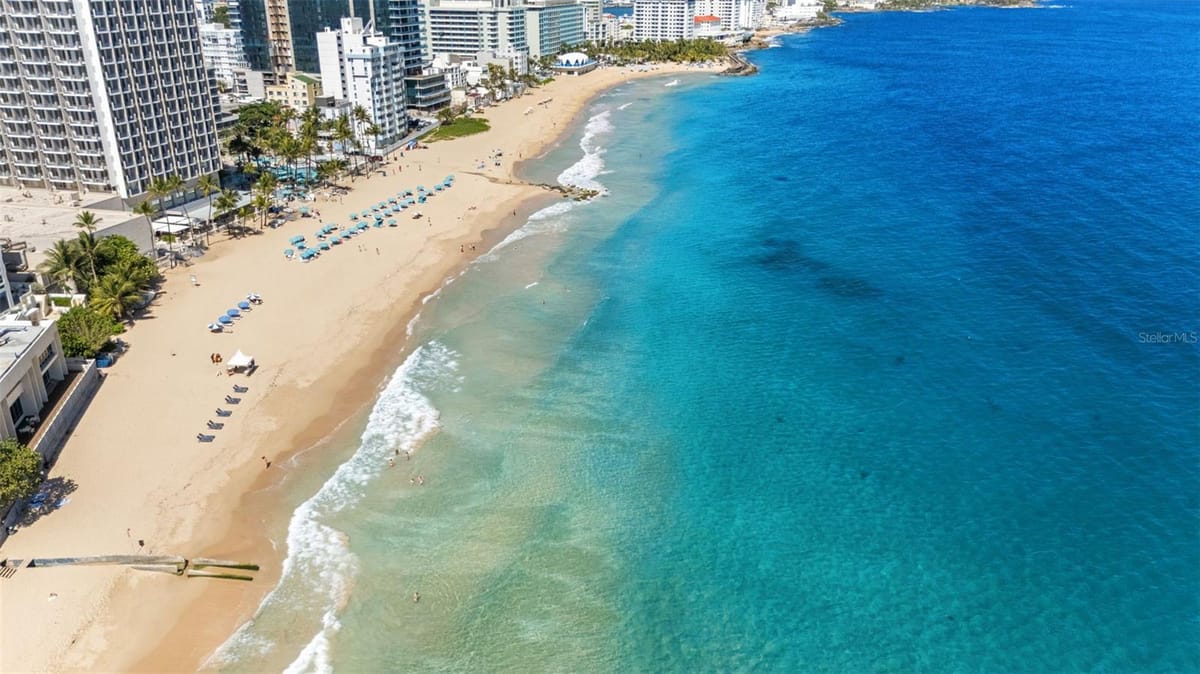
• Lifestyle fit (Dorado, Condado, Río Grande) Your business doesn’t have to stay in California.
Your tax burden doesn’t either.
We keep the whole picture in one place: Act 60 real estate in Puerto Rico, from timeline to closing.
Stay up to date on the latest real estate trends.

Act 60, the 1 January 2027 deadline, and the three IRS tests the decree does not cover.

255 sales closed above $1 million between January and October 2026. $597.7 million, and eight of every ten inside five municipalities.
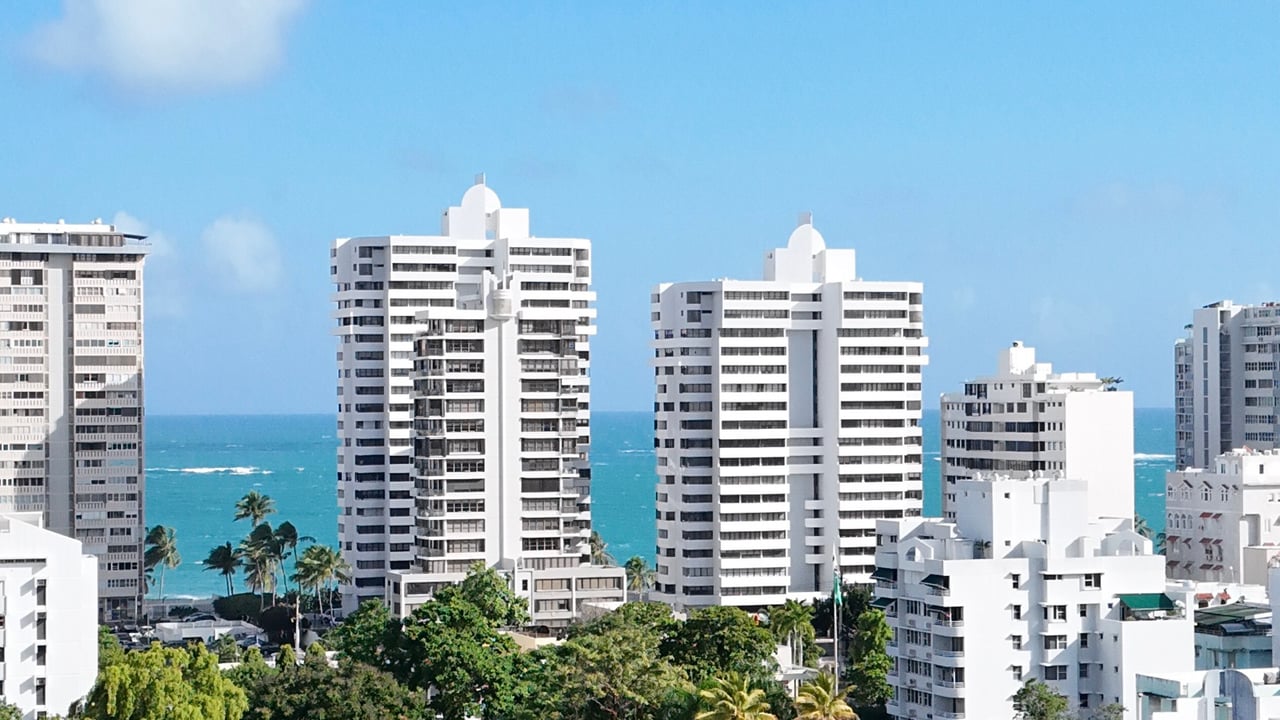
LUXURY CONDO
What 2,524 closed sales show, and the two 2026 rule changes that decide what a bank will finance.
What $1,477,000 buys on Puerto Rico's west coast, how it compares to closed sales above $1 million in Rincon and Boqueron, and what the $142 million Aguadilla airport … Read more

Condado · Buyer Guides · New Developments · Luxury Real Estate
What is still available, how to read the square footage, and what the project does not publish.
LUXURY CONDO
Fannie Mae and Freddie Mac raise the minimum condo reserve requirement to 15%. Puerto Rico law requires 5% - and lets buildings stop contributing altogether.
We connect discerning buyers and sellers with the island’s most exclusive real estate opportunities. Our expertise and network ensure seamless transactions for both relocation under Act 60 and the sale of distinguished estates. We combine discretion, strategy, and global reach to represent your interests with excellence.