
Short-Term Rental Rules in Puerto Rico: What Sellers Must Verify Before Listing
SHORT TERM RENTAL Lizvette Robles January 22, 2026
SHORT TERM RENTAL Lizvette Robles January 22, 2026
Many sellers market properties in Puerto Rico as “Airbnb-friendly” without fully verifying whether short-term rentals are actually permitted. Buyers don’t discover this late in the process by accident.
They discover it because they are actively risk-screening.
This article explains why short-term rental (STR) assumptions derail transactions, and what sellers must verify before listing to protect credibility, pricing, and momentum.
Sellers often believe:
“Short-term rentals are common here, so this shouldn’t be an issue.”
In reality, STR permissions in Puerto Rico are fragmented, layered, and buyer-sensitive. Approval depends on: municipality rules, zoning classification, HOA bylaws, building regulations and operational compliance.
Missing even one layer introduces uncertainty, and buyers penalize uncertainty immediately.
Municipal ordinances govern whether short-term rentals are allowed, restricted, or subject to permits. However: rules vary by municipality, enforcement varies by area and changes occur more frequently than sellers expect.
Buyers often verify municipality guidance early, especially for investment-driven purchases. Seller risk:
Marketing “rental potential” without confirmation invites renegotiation or contract termination.
Even when a municipality permits STRs, HOA or condo bylaws can prohibit or restrict them entirely. Common limitations include: minimum stay requirements, caps on rental frequency, registration or approval processes and outright prohibition.
Buyers treat HOA restrictions as non-negotiable deal factors. Strategic reality:
STR language must align with written HOA policy, not anecdotal experience.
Zoning impacts: licensing eligibility, operational limits and future enforceability.
Properties marketed as “ideal for Airbnb” without zoning clarity often face: buyer hesitation, lender resistance and legal review delays.
Sophisticated buyers verify zoning early, often before submitting offers.
Buyers don’t just ask “Is STR allowed?”
They ask: What permits are required? Are there occupancy limits? What taxes apply? What reporting obligations exist?
If sellers cannot answer clearly, buyers assume friction, and discount accordingly.
Phrases like: “great Airbnb potential”, “short-term rental friendly area” and “popular vacation rental location”.
signal marketing optimism, not certainty. Buyers interpret ambiguity as: future risk, regulatory exposure and negotiation opportunity.
Clear verification strengthens positioning. Vague claims weaken it.
Even experienced owners underestimate: how aggressively buyers verify STR rules, how fast ambiguity triggers discounts, how HOA restrictions override location appeal and how STR assumptions delay closings.
These errors don’t always cancel deals, but they often reduce price.
Before marketing STR potential, sellers should confirm: Municipal STR regulations. Zoning classification. HOA bylaws and rental rules. Permit and tax requirements. Enforcement consistency.
This verification protects credibility, and filters buyers correctly.
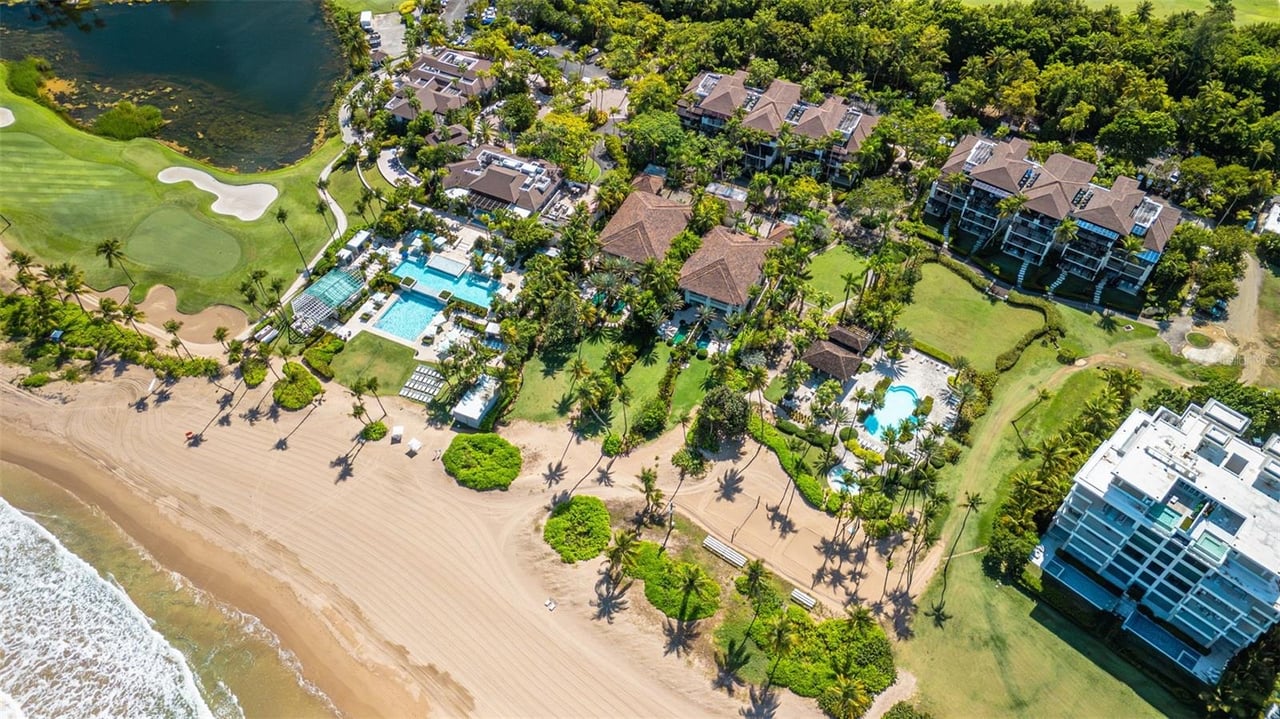
STR sensitivity varies significantly by location. For resort-controlled environments:
Dorado Beach Strategic Hub (2026)
https://investatepr.com/blog/dorado-beach-real-estate-strategy-2026
For urban condo markets:
Condado Condo Strategic Hub (2026)
https://investatepr.com/blog/condado-condo-real-estate-strategy-2026
For unified seller positioning:
Seller Master Hub
https://investatepr.com/blog/puerto-rico-high-end-seller-strategy
Short-term rental potential sells only when it’s verifiable. Sellers who clarify STR rules early protect pricing, credibility, and deal flow.
Those who rely on assumptions often learn the cost during negotiations. This article exists to prevent that.
Are short-term rentals allowed everywhere in Puerto Rico?
No. Rules vary by municipality, zoning, and HOA.
Do HOA rules override municipal STR permissions?
Yes. HOA bylaws are binding regardless of location.
Should sellers market STR potential without confirmation?
No. Ambiguity increases buyer risk perception and price pressure.
Stay up to date on the latest real estate trends.


Act 60, the 1 January 2027 deadline, and the three IRS tests the decree does not cover.

255 sales closed above $1 million between January and October 2026. $597.7 million, and eight of every ten inside five municipalities.

LUXURY CONDO
What 2,524 closed sales show, and the two 2026 rule changes that decide what a bank will finance.
What $1,477,000 buys on Puerto Rico's west coast, how it compares to closed sales above $1 million in Rincon and Boqueron, and what the $142 million Aguadilla airport … Read more

Condado · Buyer Guides · New Developments · Luxury Real Estate
What is still available, how to read the square footage, and what the project does not publish.

LUXURY CONDO
Fannie Mae and Freddie Mac raise the minimum condo reserve requirement to 15%. Puerto Rico law requires 5% - and lets buildings stop contributing altogether.
We connect discerning buyers and sellers with the island’s most exclusive real estate opportunities. Our expertise and network ensure seamless transactions for both relocation under Act 60 and the sale of distinguished estates. We combine discretion, strategy, and global reach to represent your interests with excellence.