Selling a Second Home in Puerto Rico: What Owners Underestimate
Seller Strategies Lizvette Robles January 20, 2026
Seller Strategies Lizvette Robles January 20, 2026
Selling a second home in Puerto Rico feels straightforward, until it isn’t. Many owners assume that because the property isn’t their primary residence, the sale should be simpler. In reality, second-home transactions introduce different buyer psychology, different risks, and different negotiation dynamics.
This article explains what second-home owners consistently underestimate, and how those blind spots affect outcomes.
Second-home sellers often believe:
“Buyers will be more flexible because this isn’t my main residence.”
In high-end markets, the opposite is true. Second-home buyers are: more comparative, more risk-sensitive, less emotionally attached and quicker to disengage.
That changes everything.
Second-home buyers evaluate: usage flexibility, carrying costs during vacancy, resale logic and optional rental potential (even if not immediate).
They are not buying urgency.
They are buying optionality. If optionality isn’t clearly framed, offers weaken.
Second-home buyers scrutinize: HOA fees relative to actual use, insurance exposure during vacancy, property taxes (CRIM) and maintenance and oversight costs.
Costs that feel “manageable” to owners often feel inefficient to buyers. Unclear cost framing invites discounts.
Second homes are often listed with a “let’s see what happens” mindset. That approach quietly erodes leverage. Why: buyers assume flexibility equals negotiability, time on market signals lack of urgency and price discipline weakens faster.
Second-home listings require intentional market entry, not passive exposure.
While owners may feel emotionally detached, buyers still read signals. Common seller signals that hurt outcomes: inconsistent availability, slow response cycles, unclear documentation and “we’re not in a rush” positioning.
These cues reduce buyer confidence and delay action.
Second-home buyers compare your property not only to: local alternatives.
but also to: other destinations, other lifestyle markets and other capital allocations.
That means pricing must reflect competitive value, not just local norms.
Even experienced owners underestimate: how fast leverage erodes without clarity, how buyers interpret optionality, how costs compound perception of risk and how quickly second-home listings become “background inventory”.
These factors affect both price and timing.
Second-home listings perform best when sellers: Frame ownership costs clearly. Price with competitive alternatives in mind. Position the home intentionally from day one. Control early perception. Treat the sale as a strategy, not a side decision.
When this happens, buyers engage decisively.
Second-home strategy varies significantly by location. For resort-driven environments:
Dorado Beach Strategic Hub (2026)
https://investatepr.com/blog/dorado-beach-real-estate-strategy-2026
For benchmark condo markets:
Condado Condo Strategic Hub (2026)
https://investatepr.com/blog/condado-condo-real-estate-strategy-2026
For unified seller positioning:
Seller Master Hub (Dorado & Condado)
https://investatepr.com/blog/puerto-rico-high-end-seller-strategy
Second-home sales fail when sellers assume simplicity. In reality, these transactions demand more precision, not less. Owners who recognize this early protect both value and timing.
Those who don’t often discover the difference through price corrections.
This article exists to prevent that.
Is selling a second home harder than a primary residence?
It can be. Buyers are more analytical and less emotionally driven.
Do second-home buyers negotiate more aggressively?
Often yes, especially when costs or optionality are unclear.
Should second homes be priced differently?
Yes. Pricing must account for buyer alternatives and usage flexibility.
Stay up to date on the latest real estate trends.

LUXURY COMMUNITIES
44 residences from $1.2M between Garden Hills and San Patricio. What $818 per square foot means if you are buying, and what it changes if you already own in the area.
LUXURY COMMUNITIES
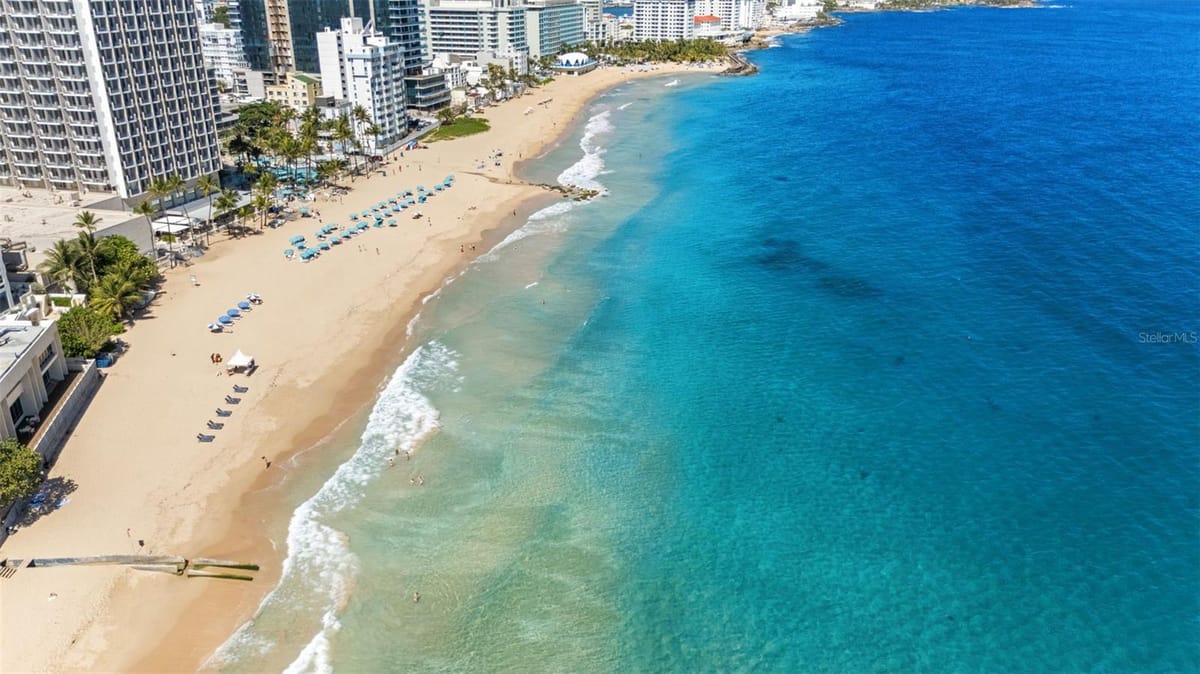
Forty Stellar MLS closed sales across eight communities, from $136 to $3,110 per square foot, what sellers actually accept, and what the maintenance fee adds.
LUXURY COMMUNITIES
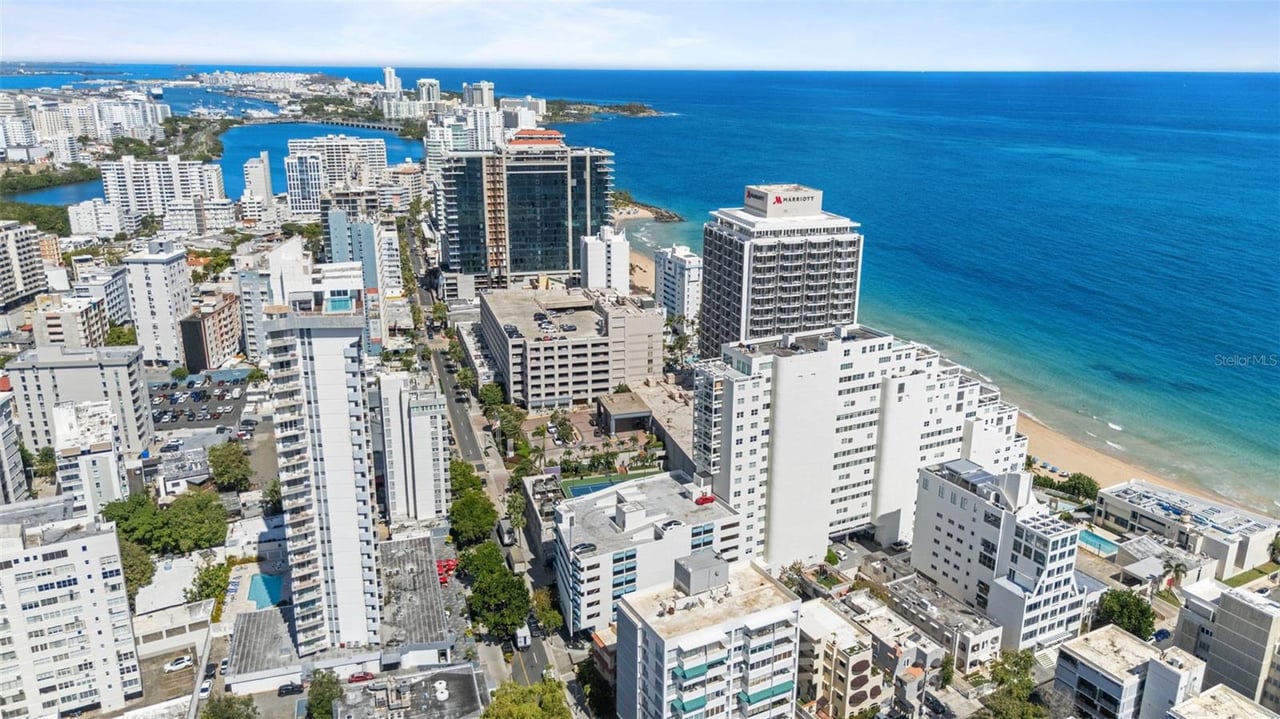
Condado and Isla Verde in San Juan, West Beach and Costa Dorada in Dorado, and Bahía Beach, Rio Mar and Coco Beach in Río Grande: closed-sale prices, buildings, fees a… Read more
Condado · Buyer Guides · New Developments · Luxury Real Estate
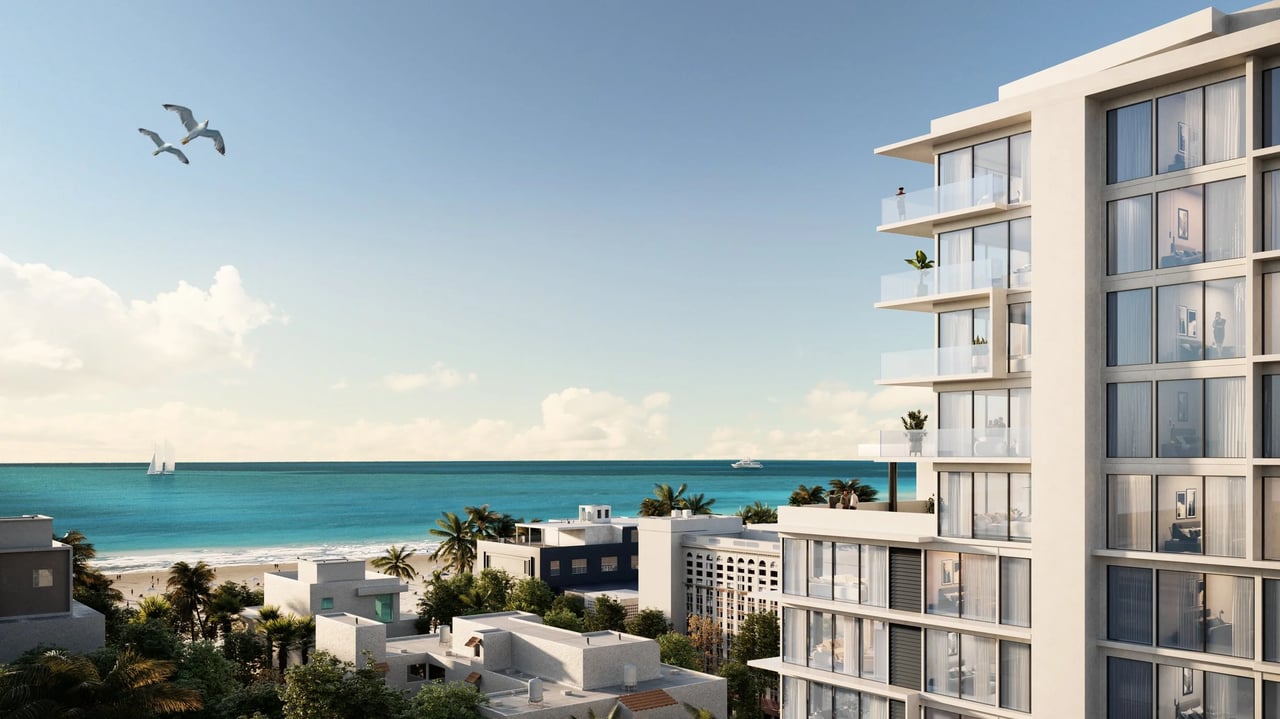
How to Compare Pricing, Amenities, HOA Costs, Market Evidence and Long-Term Value Before Buying a Condo in Condado
Condado · New Developments · Luxury Real Estate · Buyer Guides
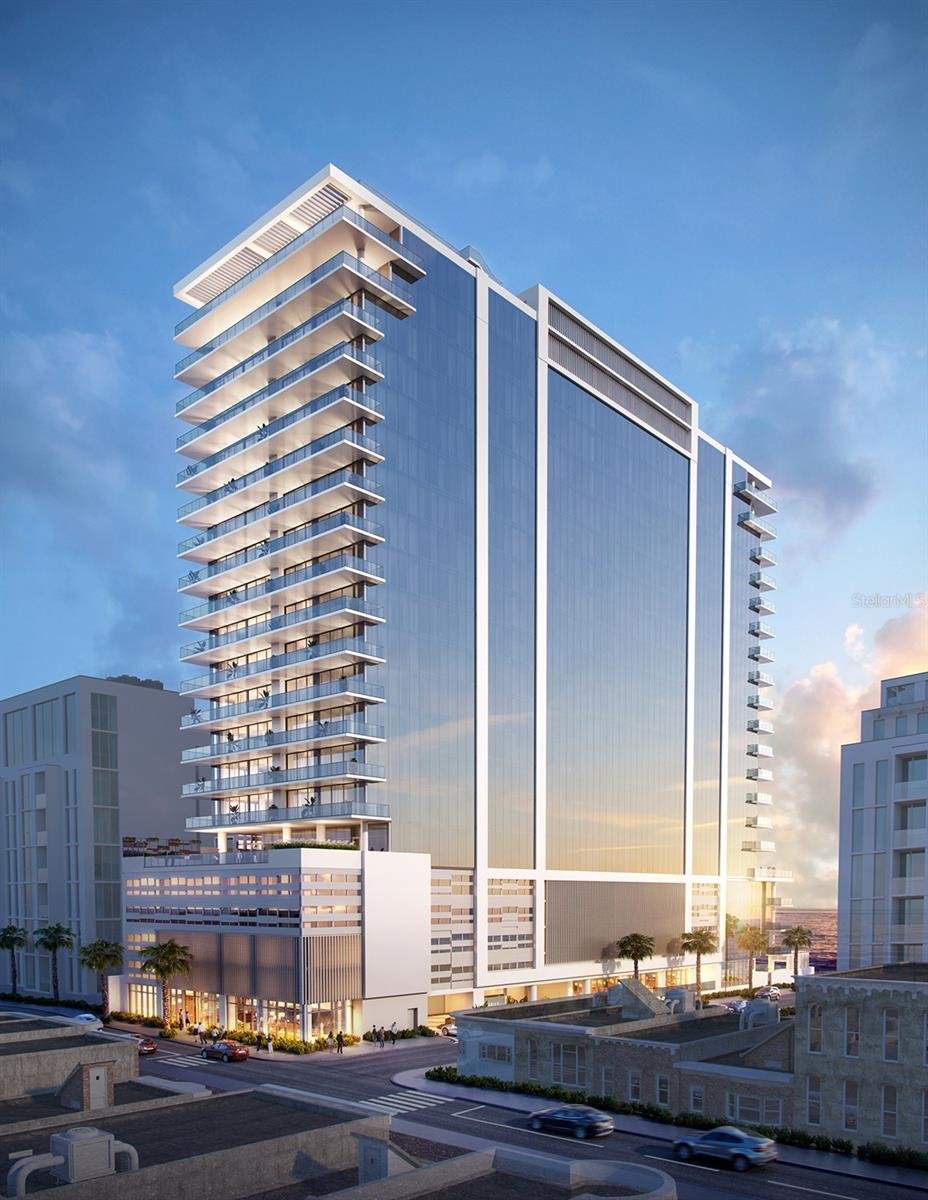
A Buyer’s Guide to 1120 Ashford Avenue, New Construction, Pricing and How The ICON Fits Into Condado’s Changing Luxury Market
Condado, New Developments, Luxury Real Estate, Buyer Guides
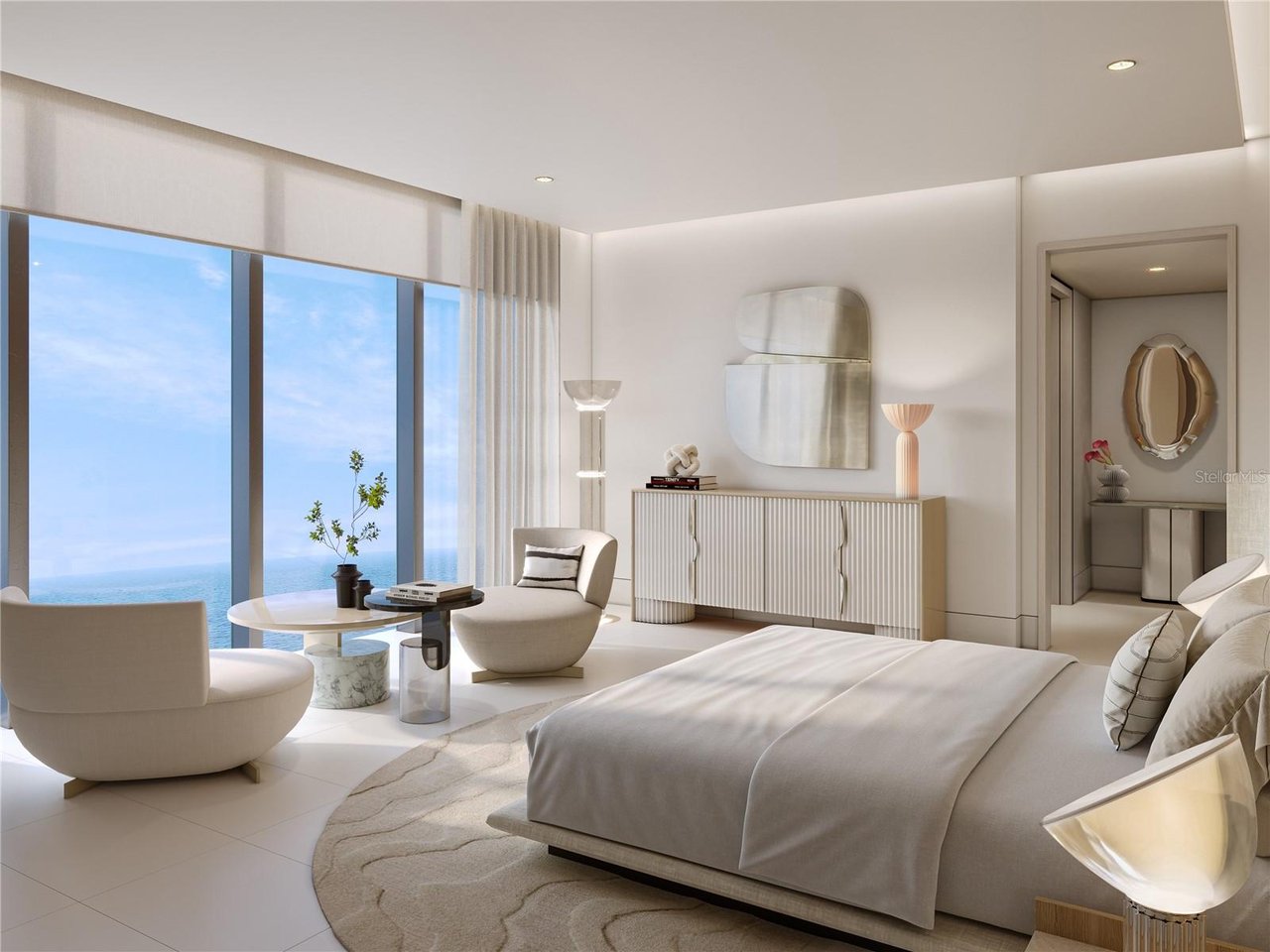
A Buyer’s Guide to Condado’s New Oceanfront Luxury Development, Amenities, Pricing and Market Position
MARKET ANALYSIS
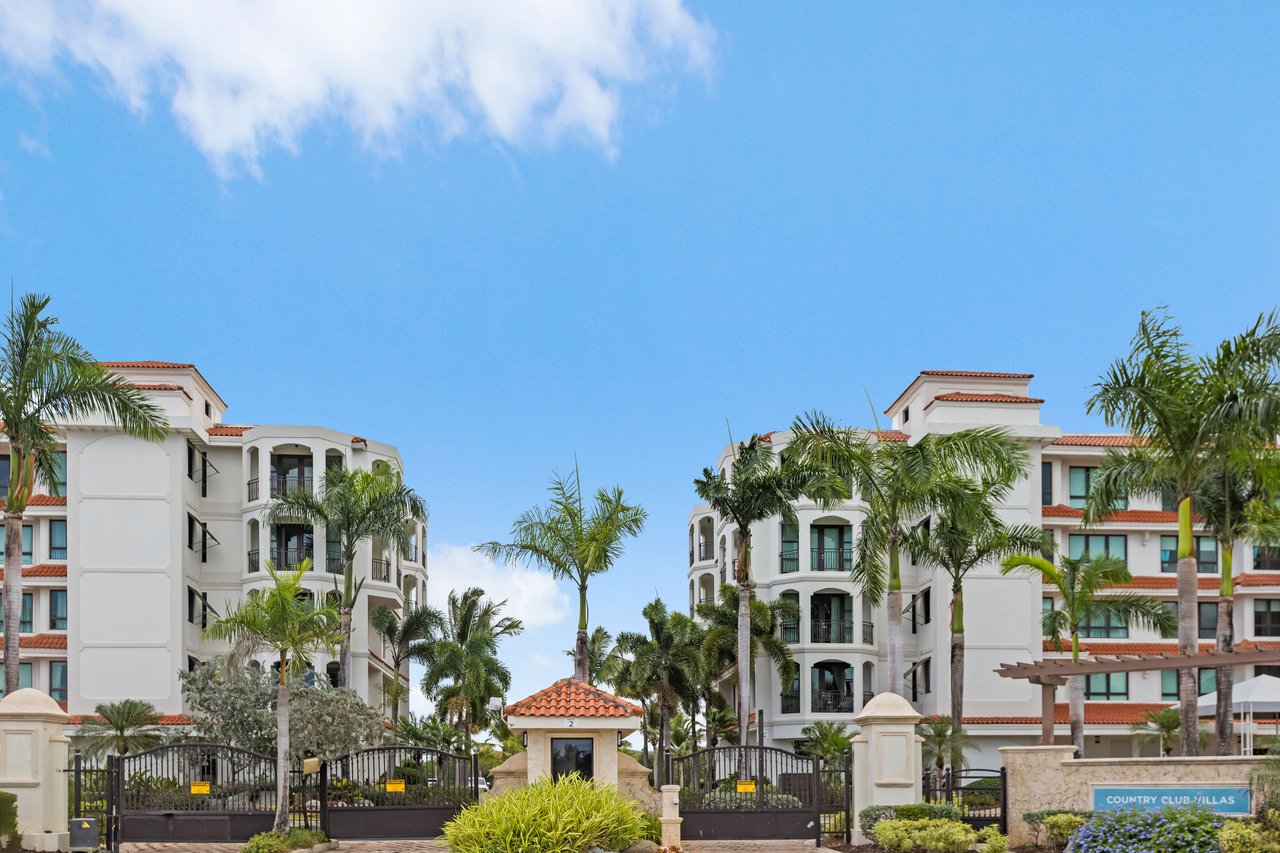
60 Closed Sales, $73.9M in Volume — and a New Generation of Luxury Development Is Reshaping Condado
Puerto Rico Buying Guides
HOA structures, insurance, backup infrastructure, rental restrictions, resort privileges and comparable sales can matter as much as the view. Here’s what buyers should… Read more
Puerto Rico Buying Guides
Ocean views may command attention, but golf-front properties can offer space, privacy and a different ownership experience. Here’s how buyers should compare beachfront… Read more
We connect discerning buyers and sellers with the island’s most exclusive real estate opportunities. Our expertise and network ensure seamless transactions for both relocation under Act 60 and the sale of distinguished estates. We combine discretion, strategy, and global reach to represent your interests with excellence.