Puerto Rico Real Estate Due Diligence Checklist (2026)
BUYER STRATEGY Lizvette Robles September 4, 2026
BUYER STRATEGY Lizvette Robles September 4, 2026
Most buyers understand that a real estate purchase requires inspections and paperwork. Experienced buyers look at due diligence differently. It is a risk filter.
In Puerto Rico, proper due diligence means understanding the legal, physical, financial and operational characteristics of a property before they become your responsibility. The objective is not to search for reasons to kill a transaction. It is to identify the issues that could affect value, ownership costs, financing, insurability, permitted use, closing timeline or eventual resale while you still have an opportunity to evaluate them.
The earlier those questions are answered, the better positioned a buyer is to make an informed decision. Here are some of the areas buyers should investigate when purchasing real estate in Puerto Rico.
Some of the most consequential issues in a Puerto Rico transaction can exist long before a buyer ever visits the property. Your Puerto Rico attorney or notary should review the property's legal status and determine what additional verification is appropriate for the transaction. Important areas can include: Property Registry information; current ownership; chain of title; existing mortgages, liens and encumbrances; easements or usufruct rights; Property description; CRIM cadastre information; discrepancies between the legal description and the physical property; and restrictions affecting the property's use.
The physical property you visited, the cadastral information and the legal property description should be evaluated carefully for inconsistencies.
Puerto Rico transactions frequently involve inherited property. If an owner has died or the property belongs to an estate, buyers should have their legal counsel confirm whether the succession and the authority to sell have been properly addressed before proceeding toward closing. An unresolved estate issue can materially affect a transaction's timeline.
Buyer takeaway: Do not assume that possession of a property means the seller has everything necessary to convey it.
Property tax administration in Puerto Rico involves CRIM, Centro de Recaudación de Ingresos Municipales. Buyers should verify the property's CRIM status rather than relying solely on what the seller currently pays. Areas to review can include: Property identification and cadastral information, outstanding property-tax obligations, current assessment, existing exemptions or exonerations, whether the buyer's tax treatment may differ from the seller's and any discrepancies requiring correction.
One particularly important issue is the seller's current tax bill. A seller may benefit from an exemption or other treatment that will not necessarily apply to the buyer. Do not build your ownership budget from the seller's current tax payment without verifying what applies to you.
Before a transaction progresses too far, determine who actually has authority to convey the property. Depending on ownership, this can involve: individual owners, multiple owners, heirs or an estate, powers of attorney, corporations and limited liability companies.
When an entity owns the property, the closing team should determine who is authorized to act on its behalf and what documentation will be required. Questions about legal authority belong with the Puerto Rico attorney or notary handling the transaction.
This is one of the areas where buyers should be particularly careful. A beautiful renovation does not automatically mean every improvement has the appropriate documentation. Buyers may need to investigate: applicable zoning or land-use classification, authorized use of the property, construction permits, additions, pools, terraces, guest houses, enclosed areas, structural modifications and other improvements made after the original construction.
Puerto Rico's Office of Permit Management, OGPe, administers multiple permitting processes involving construction, land use and property use. Its current guidance distinguishes residential-use permitting and other permitting processes, reinforcing why buyers should verify the applicable record rather than relying on assumptions. A discrepancy can affect financing, insurance, future improvements or resale depending on the facts of the property.
Do not rely exclusively on:
“It's always been like that.”
or
“The previous owner did it.”
Request the available documentation and have the appropriate professionals evaluate it. → Internal Link: Buying a Home in Puerto Rico, What Buyers Should Know
Buying along Puerto Rico's coastline can introduce another layer of investigation. Depending on the property and location, buyers and their professional team may need to evaluate matters involving: coastal boundaries, maritime-terrestrial zone considerations, environmental restrictions, existing seawalls, docks, decks, Beach-access structures, permitting, erosion and flood exposure.
A structure physically located next to a property should not automatically be assumed to be privately owned, properly permitted or freely modifiable. For oceanfront property, these questions should be addressed before closing, not after ownership transfers. → Internal Link: Buying Oceanfront Property in Puerto Rico: What Buyers Should Know
Insurance should be evaluated during the purchase process, not treated as an administrative item for the final week before closing. Depending on the property, buyers should discuss with a licensed insurance professional: hazard coverage, hurricane and wind coverage, applicable deductibles, flood exposure and coverage, earthquake coverage, construction characteristics, roof age, replacement value, insurability of improvements and condominium master policies when applicable.
Flood and wind are also different exposures. For financed properties located in certain FEMA-designated high-risk flood areas, federal requirements can trigger mandatory flood insurance. The exact requirement depends on the property, lender and applicable program.
Instead of asking only: “What's the hurricane deductible?” ask your insurance professional: “What would my out-of-pocket deductible be in dollars under the applicable loss scenario?” A percentage can sound small until it is applied to a high insured value.
The finishes may sell the house. The infrastructure often determines what it costs, and feels like, to live in it. This becomes particularly important for relocation and second-home buyers who may be unfamiliar with property infrastructure in Puerto Rico.
Verify: cistern availability and capacity, pump and pressure systems, maintenance requirements and historical service issues relevant to the property or community.
If the property has alternative energy systems, determine: Are the solar panels owned, financed or leased? Is there battery storage? What capacity does the system provide? Is there a generator? What portions of the property does the generator actually support? What maintenance is required?
A property advertised as having “full backup power” deserves more investigation than simply confirming that a generator exists.
For buyers who work remotely, verify: available internet providers, service availability at the actual address, expected speeds and backup or redundant connectivity options.
Depending on the property, consider: road ownership and maintenance, HOA responsibilities, drainage and access during severe weather.
These are often the questions buyers wish they had asked six months after closing.
When purchasing a condominium or property within an association, you are not buying only the residence. You are also buying into its governance and financial condition. Puerto Rico condominiums are governed by the Puerto Rico Condominium Act, Act 129-2020, as amended. The official legislative repository currently identifies subsequent amendments, including 2026 legislative activity, which is why current governing documents and current law should be reviewed rather than relying on an old summary of the statute.
Depending on the property, buyers should review items such as: current bylaws and amendments, HOA or condominium fees, Reserve funds, existing or proposed special assessments, association litigation, owner delinquencies, insurance, rental restrictions, maintenance responsibilities, major completed or anticipated capital projects and post-storm repair history.
A beautiful lobby and an impressive amenity package do not tell you whether an association is financially healthy. Governance and financial condition matter. → Internal Link: Buying a Condo in Puerto Rico: HOA, Insurance & Due Diligence
The purchase price is only the beginning. Before committing to a property, build a realistic ownership budget that considers the expenses applicable to that particular property. Potential costs include:
Expense | What to Verify |
|---|---|
Property taxes | Current CRIM information |
HOA / maintenance | Written association information |
Hazard / wind insurance | Actual insurance quote |
Flood insurance | Property-specific determination and quote |
Electricity | Historical bills when available |
Water | Historical bills when available |
Generator | Fuel and maintenance |
Solar / batteries | Ownership, financing or lease obligations |
Club membership | Current club terms, if applicable |
Pool / landscaping | Current service costs |
Special assessments | Association documentation |
Whenever possible, ask for actual historical expenses, not estimates. A property's carrying cost can materially change the comparison between two homes with similar asking prices. → Internal Link: What Does It Cost to Own a Home in Puerto Rico?
10. Financing & Appraisal. Financed purchases add another layer of due diligence. Before committing, buyers should understand: whether the lender regularly closes Puerto Rico transactions, financing conditions, appraisal requirements, documentation requirements, expected underwriting timeline and items required before clear-to-close.
The appraisal deserves particular attention in markets where nearby properties can belong to very different real estate segments. A nearby sale is not automatically a comparable sale. A beachfront condominium should not necessarily be valued against an inland condominium simply because both share the same municipality.
A resort residence should not automatically be compared with a conventional home nearby. This is one reason we emphasize micro-market analysis throughout our Puerto Rico market reports and neighborhood guides. → Explore Puerto Rico Neighborhood Guides
If a property purchase is connected to an Act 60 decree or relocation strategy, coordinate your real estate decisions with qualified Puerto Rico tax and legal professionals. Depending on your circumstances, discuss: residency requirements, any property-related requirements applicable to your decree, timing, documentation, ownership structure and closing considerations.
The roles should remain clear: Your real estate representative handles the real estate transaction. Your CPA and attorney advise you on tax and legal matters. Do not substitute real estate marketing for professional tax advice.
→ Internal Link: Act 60 & Buying Real Estate in Puerto Rico
One of the most overlooked elements of due diligence happens before closing: Who will buy this property from you someday? Consider: Who is the likely future buyer? Is the resale market primarily local, relocation, second-home or investor driven? What properties will compete with yours? Are there restrictions that narrow the buyer pool? Could unpermitted improvements complicate resale? Does an unusual layout reduce marketability? How have genuinely comparable properties performed?
A property can be extraordinary and still have a narrow resale market. Understanding the exit does not mean you are planning to sell. It means you are buying with perspective.
Some of the most important due diligence items are also among the easiest to overlook: Property Registry and title issues, CRIM status, permit history for additions and improvements, Property-specific insurance quotes, actual utility expenses, HOA reserve funds and special assessments, coastal considerations, solar or equipment obligations, infrastructure and resale positioning.
No single checklist replaces professional review. But asking these questions early can reveal which issues deserve deeper investigation.
A real estate transaction can involve several professionals with very different responsibilities. Depending on the purchase, your team may include: A Puerto Rico real estate professional
For property search, market analysis, comparable sales, negotiation and transaction coordination. A Puerto Rico attorney or notary
For legal and title matters and the closing process.
A CPA or tax attorney
Particularly when Act 60, residency or ownership structure is involved. An independent property inspector
For the physical evaluation of the property. An insurance professional
For property-specific coverage and insurability questions.
A lender, when financing
Preferably one familiar with Puerto Rico transactions. The important point is not simply having professionals involved. It is understanding which professional is responsible for verifying each risk.
Due diligence is not about making a transaction unnecessarily difficult. It is about reducing uncertainty. A buyer who understands the property's title, permits, physical condition, insurance, infrastructure, ownership costs, community governance and resale position can make decisions based on information rather than assumptions.
And sometimes the result of good due diligence is not walking away. It is understanding what you are actually buying and negotiating accordingly. At InvEstate Puerto Rico, we help buyers evaluate properties within their actual micro-market, understand the questions that should be asked, coordinate the transaction process, and assemble the appropriate professional team when specialized legal, tax, inspection or insurance guidance is required.
Buying in Puerto Rico? Explore our neighborhood guides and market reports, or connect with our team for buyer representation throughout Puerto Rico. INVESTATE PUERTO RICO
Trust. Partnership. Presence.
Due diligence can include title and Property Registry information, CRIM status, permits, physical condition, insurance, HOA or condominium finances, infrastructure, ownership expenses, financing requirements and resale considerations. The exact scope depends on the property.
There is no single period appropriate for every transaction. Inspection and due-diligence deadlines are contractual and should be negotiated based on the property, financing and verification required. Some government certifications, permit records or third-party documentation may take longer than a physical inspection.
No. A real estate professional can help identify issues, coordinate information, analyze the market and guide the transaction, but legal, tax, inspection and insurance matters should be evaluated by the appropriate licensed professionals.
In addition to the individual unit, buyers should consider the condominium's governing documents, fees, reserves, insurance, assessments, litigation, maintenance obligations, rental restrictions and other building-specific matters.
Yes. If the property includes additions, pools, terraces, guest structures, enclosed areas or significant modifications, buyers should determine what documentation exists and have the appropriate professional evaluate whether further verification is necessary.
No. Requirements depend on the property's flood designation, financing and other circumstances. Buyers should obtain a property-specific determination and discuss appropriate coverage with their lender and licensed insurance professional.
Inherited property can require additional legal documentation. A Puerto Rico attorney or notary should determine whether the succession, ownership and authority to sell have been properly addressed.
This article provides general real estate information and is not legal, tax, insurance or financial advice. Property-specific verification should be performed by the appropriate licensed professionals.
InvEstate Puerto Rico | Puerto Rico Real Estate Buyer & Seller Representation
Stay up to date on the latest real estate trends.

Act 60, the 1 January 2027 deadline, and the three IRS tests the decree does not cover.

255 sales closed above $1 million between January and October 2026. $597.7 million, and eight of every ten inside five municipalities.
LUXURY CONDO
What 2,524 closed sales show, and the two 2026 rule changes that decide what a bank will finance.
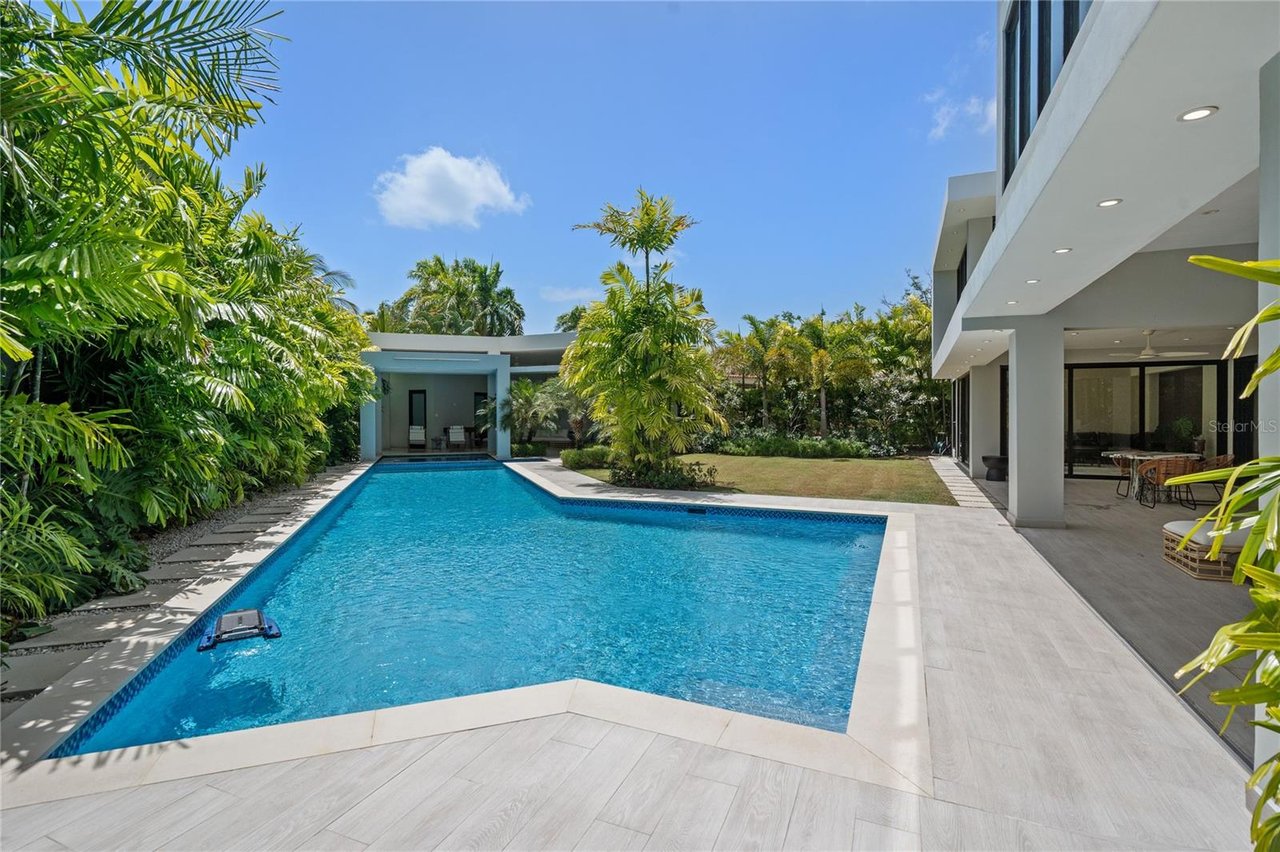
What $1,477,000 buys on Puerto Rico's west coast, how it compares to closed sales above $1 million in Rincon and Boqueron, and what the $142 million Aguadilla airport … Read more

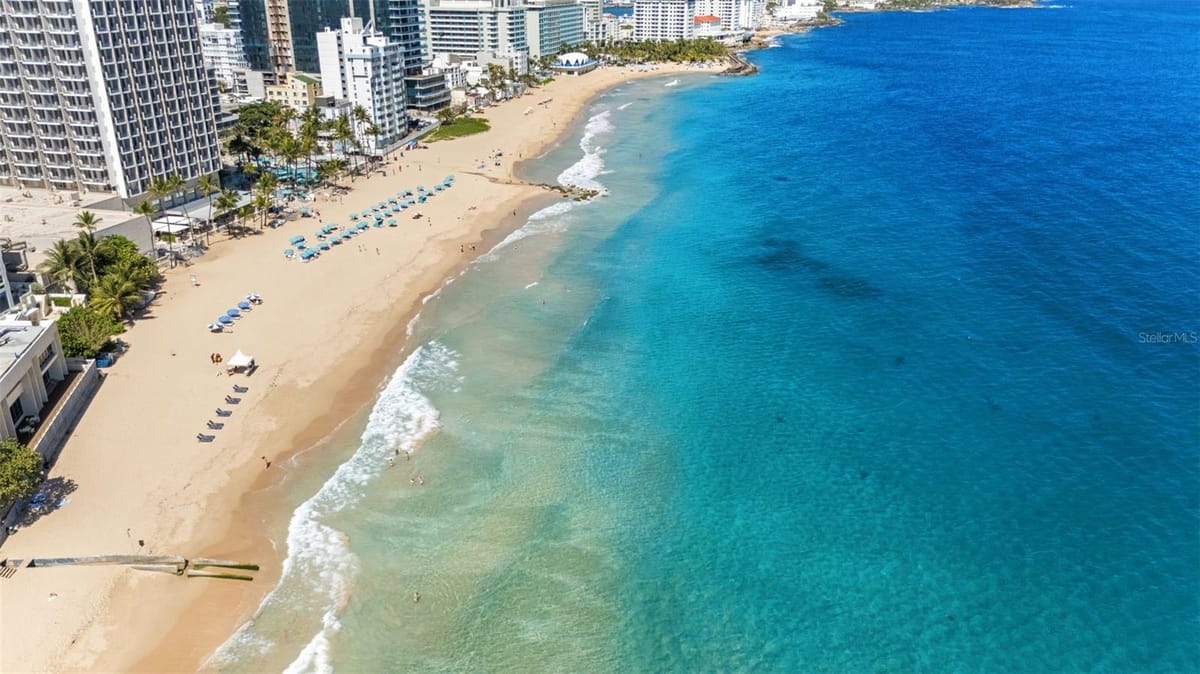
Condado · Buyer Guides · New Developments · Luxury Real Estate
What is still available, how to read the square footage, and what the project does not publish.
LUXURY CONDO
Fannie Mae and Freddie Mac raise the minimum condo reserve requirement to 15%. Puerto Rico law requires 5% - and lets buildings stop contributing altogether.
We connect discerning buyers and sellers with the island’s most exclusive real estate opportunities. Our expertise and network ensure seamless transactions for both relocation under Act 60 and the sale of distinguished estates. We combine discretion, strategy, and global reach to represent your interests with excellence.