
Puerto Rico Property Registry: The Risk Sophisticated Buyers Underestimate Most
Real Estate Advisory, Puerto Rico Legal & Registry, Capital Risk Management Lizvette Robles December 23, 2025
Real Estate Advisory, Puerto Rico Legal & Registry, Capital Risk Management Lizvette Robles December 23, 2025
Most real estate risk in Puerto Rico doesn’t come from price. It comes from the Property Registry. For sophisticated buyers, Puerto Rico’s Property Registry is often the least understood, and most underestimated, component of the acquisition process.
Unlike mainland U.S. markets, where county recording systems function largely as administrative repositories, Puerto Rico’s Property Registry plays a substantive legal role in determining enforceability, priority, and certainty of ownership. This distinction matters.
Puerto Rico operates under a civil law system in which property rights are perfected through registration. The Registry does not simply “record” documents, it reviews them for legal sufficiency and alignment.
As a result: Registry review can affect timing and certainty; documentation alignment is critical; errors or inconsistencies may delay or prevent inscription; and ownership certainty is achieved through proper registration, not merely execution.
For capital relocating to Puerto Rico, understanding this system is necessary.
Sophisticated buyers often assume registry and title function identically to mainland county systems. In Puerto Rico, this assumption creates exposure. Commonly underestimated risks include: misalignment in legal descriptions, incomplete tract history or chain of title, unregistered easements or annotations, pending corrections or presentations and discrepancies between physical reality and recorded status.
These issues are rarely visible during property tours and often surface late in the process, when leverage and flexibility are reduced.
While title insurance is commonly used in Puerto Rico, it does not replace registry diligence. Title insurance may mitigate certain risks, but it does not: correct registry inconsistencies, accelerate inscription and substitute for proper documentation alignment.
Sophisticated buyers view title insurance as complementary, not primary, to registry verification.
Before committing capital, experienced advisors typically verify: ownership and chain of title alignment; legal description consistency; easements, liens, and annotations; prior segregations or aggregations; condominium regime documentation (if applicable); and pending registry submissions or corrections.
This diligence should occur before final pricing or contract execution.
Registry alignment affects more than closing. It directly influences: resale liquidity, financing options, estate planning and transfers and certainty for future buyers.
Assets with unresolved registry issues often trade at a discount, or require additional time and cost to remediate.
Effective registry diligence requires local interpretation and coordination. A qualified local advisor: understands registry workflows and expectations; coordinates with notaries, attorneys, and title professionals; identifies issues early, before they become constraints; and helps align registry realities with transaction timelines.
At INVESTATE Puerto Rico, registry alignment is treated as a foundational element of capital protection, not a closing formality.
In Puerto Rico, ownership certainty is not assumed.
It is earned through proper registry alignment. Sophisticated buyers who understand this distinction reduce friction, protect capital, and position assets for long-term durability. The most successful acquisitions begin not with a showing
but with a clear understanding of how ownership is perfected.
Strategic Real Estate Advisors
Capital Relocation & Asset Placement
Stay up to date on the latest real estate trends.
What $1,477,000 buys on Puerto Rico's west coast, how it compares to closed sales above $1 million in Rincon and Boqueron, and what the $142 million Aguadilla airport … Read more
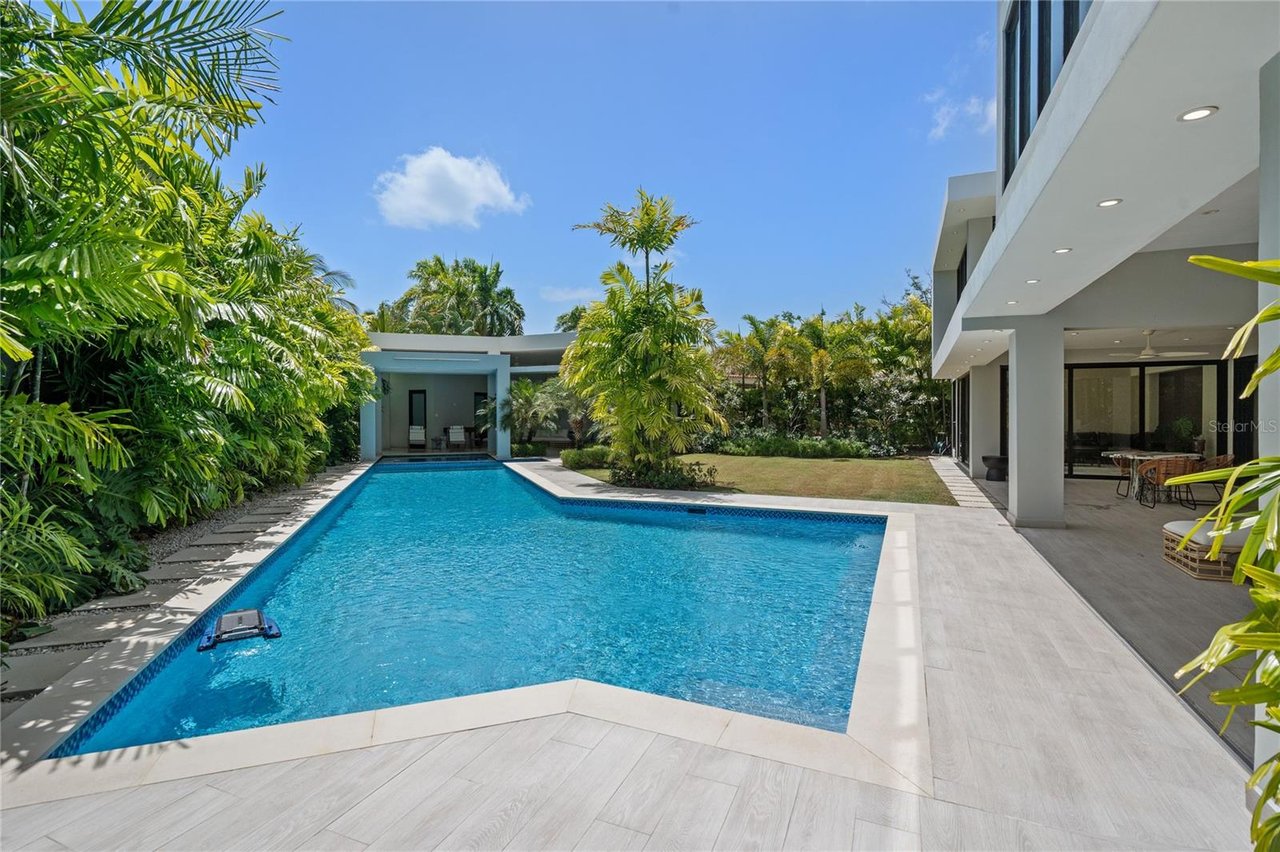

Condado · Buyer Guides · New Developments · Luxury Real Estate
What is still available, how to read the square footage, and what the project does not publish.
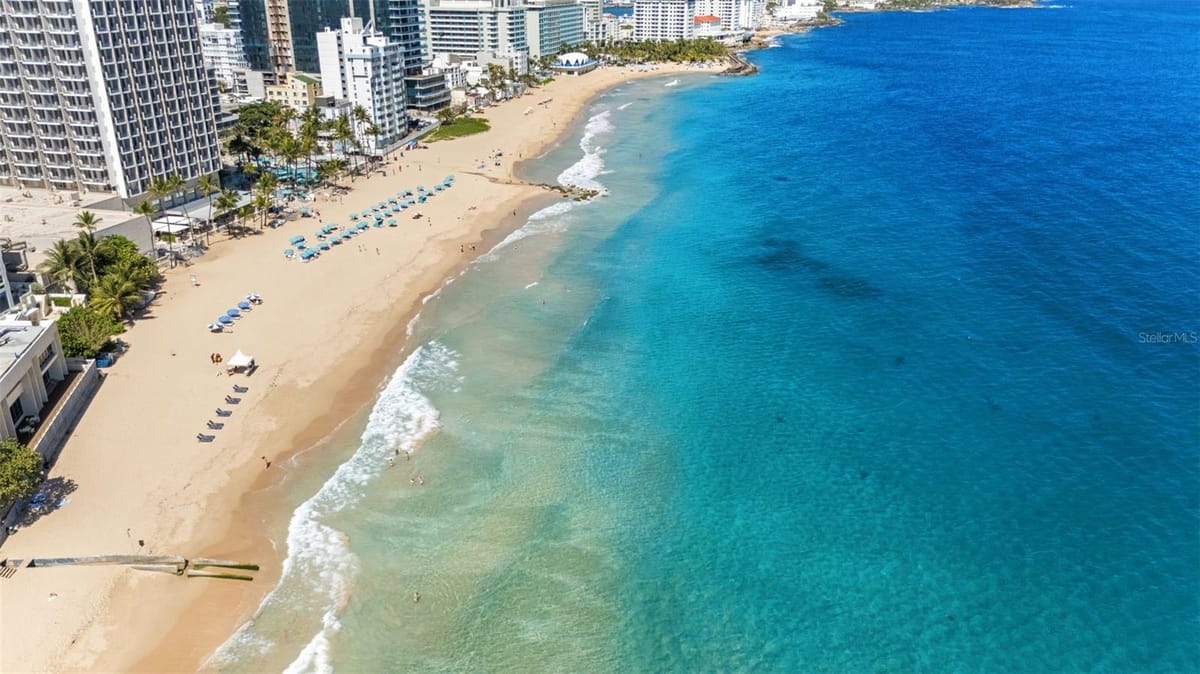
LUXURY CONDO
Fannie Mae and Freddie Mac raise the minimum condo reserve requirement to 15%. Puerto Rico law requires 5% - and lets buildings stop contributing altogether.

Buyers Guide, Construction, Investment, Puerto Rico Real Estate
Every branded residence and new community we track, where it is, and which units are actually in the MLS right now.

GUAYNABO REAL ESTATE
What is for sale, what is already under contract, and the one number that should start the conversation.
GUAYNABO REAL ESTATE
What is for sale right now, what the project launched at, and what to verify before signing.
Both of the island's 2026 Key hotels are residential. 27 closings this year, $748 to $3,110 per square foot.

The purchase price is the number everyone quotes. Above a million dollars it is the smaller half of the decision.
We connect discerning buyers and sellers with the island’s most exclusive real estate opportunities. Our expertise and network ensure seamless transactions for both relocation under Act 60 and the sale of distinguished estates. We combine discretion, strategy, and global reach to represent your interests with excellence.