
Buying Property in Puerto Rico Is Not Like the Mainland
BUYER STRATEGY Lizvette Robles January 27, 2026
BUYER STRATEGY Lizvette Robles January 27, 2026
Many buyers approach Puerto Rico assuming the process mirrors the mainland U.S. Same contracts.
Same timelines.
Same protections. That assumption is where problems begin.
Puerto Rico real estate follows a different legal, administrative, and cultural logic. Buyers who don’t adjust early often discover the differences mid-transaction, when leverage is already compromised. This article explains where mainland buyers get burned, and why awareness matters more than experience.
Mainland buyers often believe:
“I’ve bought property before, I know how this works.”
Experience helps.
But only when it’s recalibrated to the local system.
In the mainland, buyers rely heavily on title insurance and automated systems. In Puerto Rico: the Property Registry is central, filings are manual and historical and timing varies significantly.
Registry clarity isn’t assumed, it’s confirmed. Buyers who misunderstand this often underestimate timelines and exposure.
Mainland buyers expect: predictable closing dates and linear milestones.
In Puerto Rico: administrative steps dictate timing, corrections can pause progress and dependencies matter more than deadlines.
Pressure doesn’t accelerate the process.
Preparation does.
Mainland buyers often rely on: informal confirmations, agent assurances and “this is how it’s usually done”.
In Puerto Rico, buyers who don’t verify in writing invite ambiguity. Documentation, not precedent, protects outcomes.
Inspections matter everywhere, but in Puerto Rico they intersect with: climate exposure, construction variations and long-term maintenance realities.
Buyers who apply mainland assumptions to condition assessment often misprice risk.
In Puerto Rico, attorneys are more integrated into: transaction structure, document review and registry coordination.
Mainland buyers who minimize legal involvement often experience friction later.
Even sophisticated buyers underestimate: administrative timing, registry complexity, documentation rigor and how early assumptions affect leverage.
The issue isn’t difference, it’s expectation mismatch.
Puerto Rico isn’t harder.
It’s different. Buyers who adjust early close smoothly.
Those who don’t often pay for the lesson mid-process. This article exists to shorten that learning curve.
Is buying property in Puerto Rico riskier than the mainland?
Not inherently, but assumptions increase risk.
Can mainland buyers succeed here?
Yes, when process differences are respected early.
https://investatepr.com/blog/how-sophisticated-sellers-choose-a-real-estate-advisor-in-puerto-rico
Stay up to date on the latest real estate trends.
High-End Market Insights
Four homes closed above a million dollars in the twelve months to 7 October 2026. The highest was $1,300,000.

Auberge runs the hotel. Juniper Capital and Capital United own the land. What a buyer should know before the first homes break ground.

Act 60, the 1 January 2027 deadline, and the three IRS tests the decree does not cover.

255 sales closed above $1 million between January and October 2026. $597.7 million, and eight of every ten inside five municipalities.
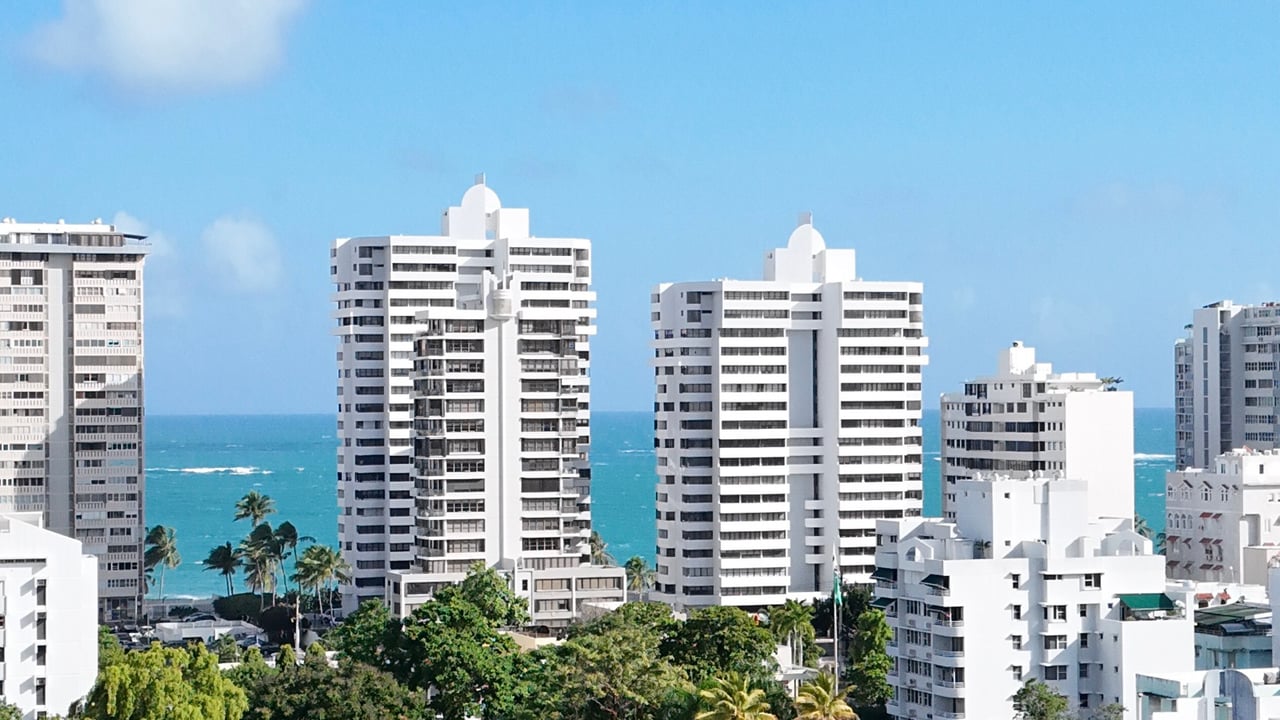
LUXURY CONDO
What 2,524 closed sales show, and the two 2026 rule changes that decide what a bank will finance.
What $1,477,000 buys on Puerto Rico's west coast, how it compares to closed sales above $1 million in Rincon and Boqueron, and what the $142 million Aguadilla airport … Read more
We connect discerning buyers and sellers with the island’s most exclusive real estate opportunities. Our expertise and network ensure seamless transactions for both relocation under Act 60 and the sale of distinguished estates. We combine discretion, strategy, and global reach to represent your interests with excellence.